April 30, 2026

Injection molding defects

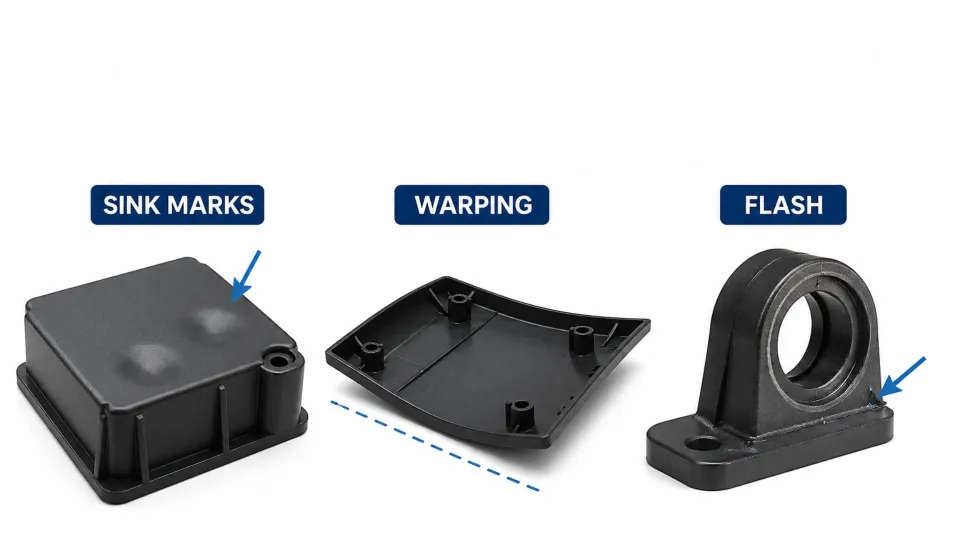
Injection Molding Defects: A Deep Dive Into Sink Marks, Warping, and Flash

Injection Molding Defects: A Deep Dive Into Sink Marks, Warping, and Flash Part 1 of our series on injection molding defects covering the first three defects in full detail with real causes, typical production scenarios, and corrective actions grounded in verified industry sources. Introduction For manufacturers throughout Southeast Asia and worldwide, understanding common injection molding […]

Injection Molding Defects: A Deep Dive Into Sink Marks, Warping, and Flash Read More »
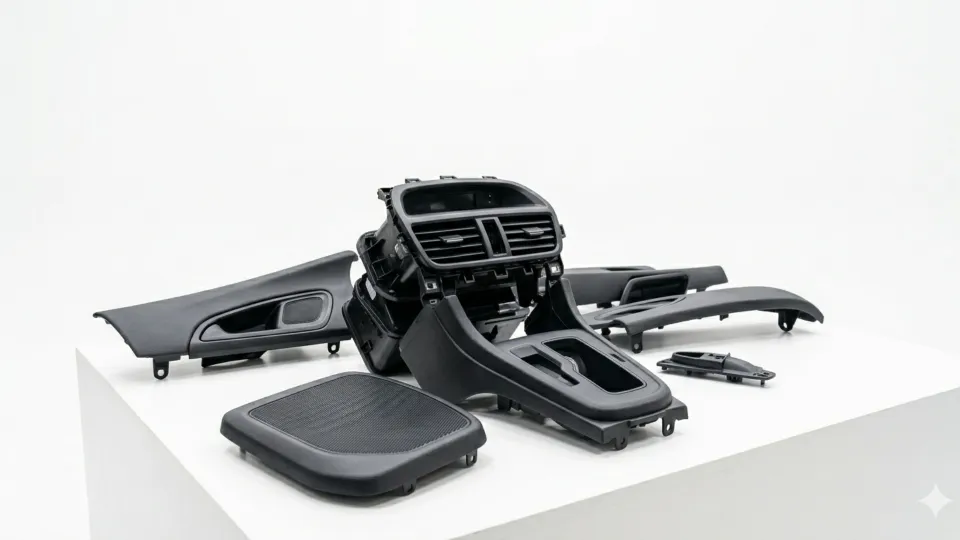
ABS Plastic for automotive parts at Bigmate Philippines Inc

ABS Plastic for Automotive Parts: Properties, Uses, and Plastic Injection Molding in the Philippines

ABS Plastic for Automotive Parts: Properties, Uses, and Plastic Injection Molding in the Philippines Key Takeaways: Material Type: Engineering Thermoplastic – ABS (Acrylonitrile Butadiene Styrene) Key Strengths: High impact resistance, excellent surface finishing, dimensional stability Heat Resistance: Up to 80–100°C continuous service Primary Automotive Uses: Interior trims, dashboard components, bumper parts, housings Why ABS for

ABS Plastic for Automotive Parts: Properties, Uses, and Plastic Injection Molding in the Philippines Read More »

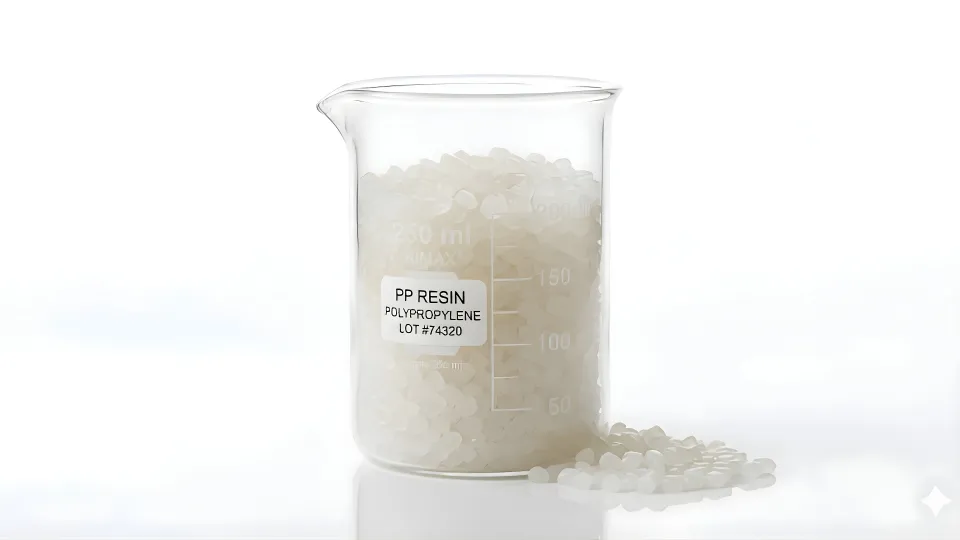
PP Plastic Resin at Bigmate Philippines Inc

PP Polypropylene: Properties and Typical Applications in Plastic Injection Molding

PP (Polypropylene): Properties and Typical Applications in Plastic Injection Molding Key Takeaways Material Type: Semi-crystalline thermoplastic; one of the most moldable commercial plastics Density: 0.895 – 0.92 g/cm³ — lightweight, reducing part weight and material cost per unit Key Strengths: High chemical resistance, fatigue resistance, heat tolerance up to 160°C Moldability: Excellent flow characteristics; ideal

PP Polypropylene: Properties and Typical Applications in Plastic Injection Molding Read More »